

As an art teacher, I’m always looking for ways to connect creativity with culture and history. One of the most enriching and hands-on experiences we’ve had in the studio recently was a clay activity for kids inspired by the pottery techniques of the Indus Valley Civilization. This ancient civilization, known for its remarkable craftsmanship, left behind beautifully coiled and braided clay vessels that continue to inspire artists today.
Not only did this clay modeling project introduce kids to ancient art but also taught the kids to develop fine motor skills, patience, and storytelling through form and design. Now let’s examine more closely the way this activity was set for younger and for older age groups and what kids had learned from this activity.
Indus Valley Clay Activity for Techniques
We first had a short session of storytelling before jumping into the clay. I displayed to the children photographs of pottery from the Indus Valley region—plain earthenware decorated with designs made using coiling and braiding. We discussed the use of these pots in everyday life, where they were used to store grains, water, or offerings. This made children feel like they had a purpose and were connected to the past.
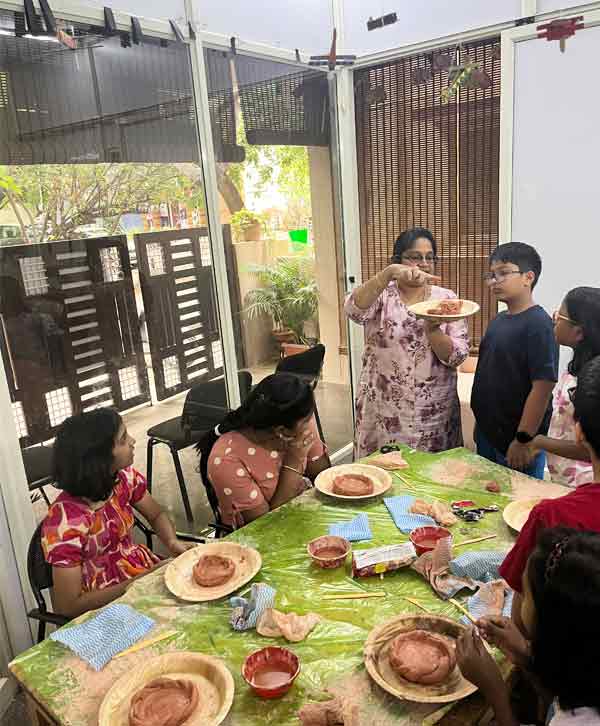
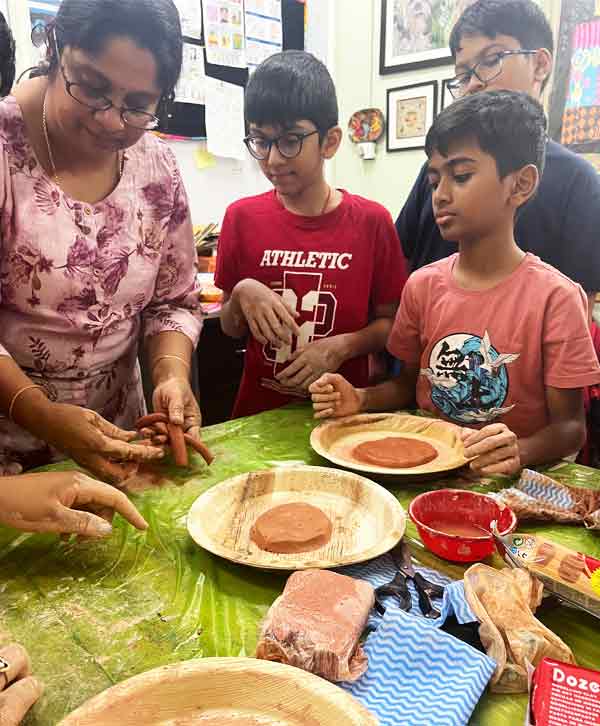
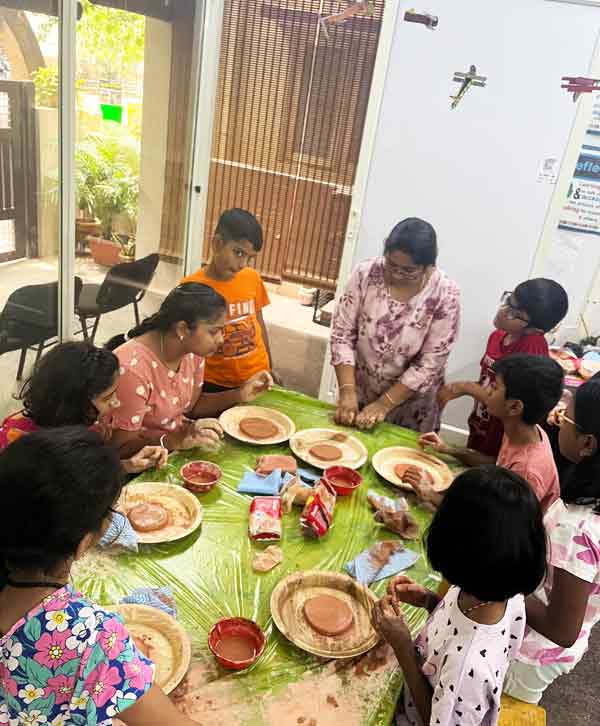
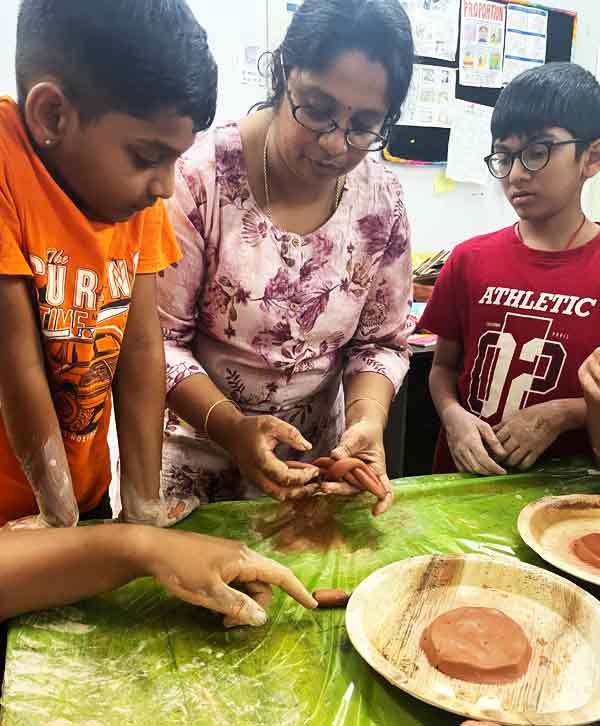
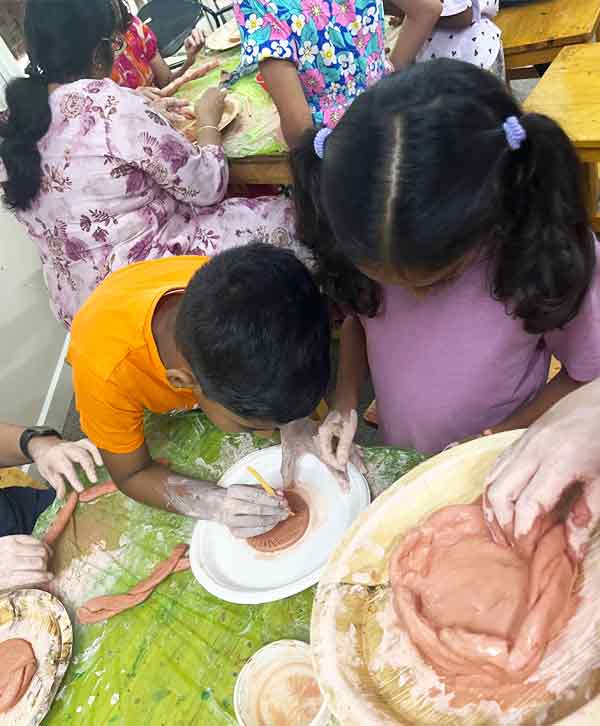
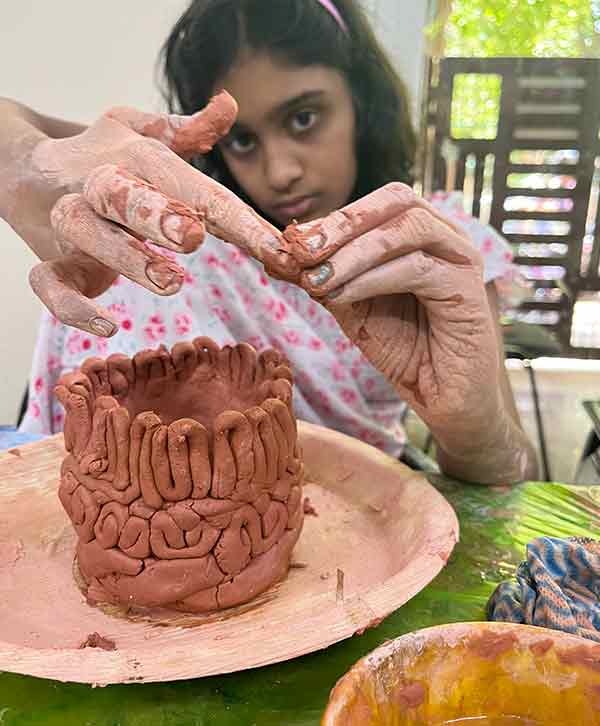
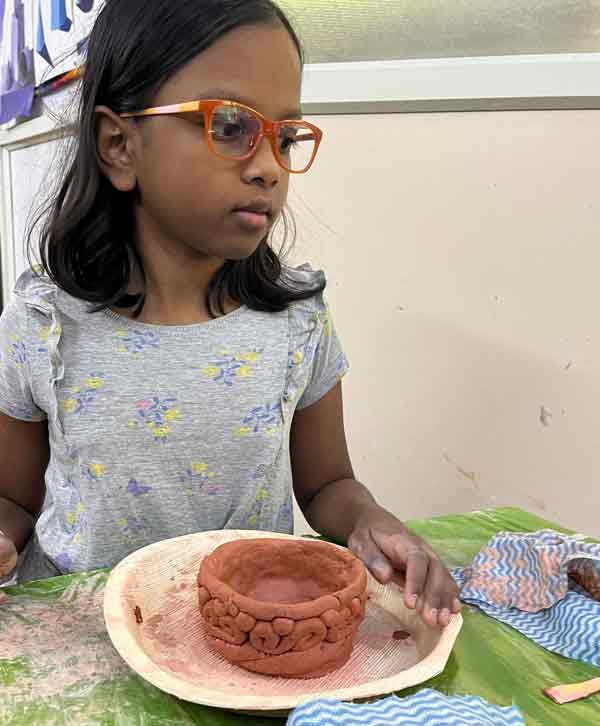

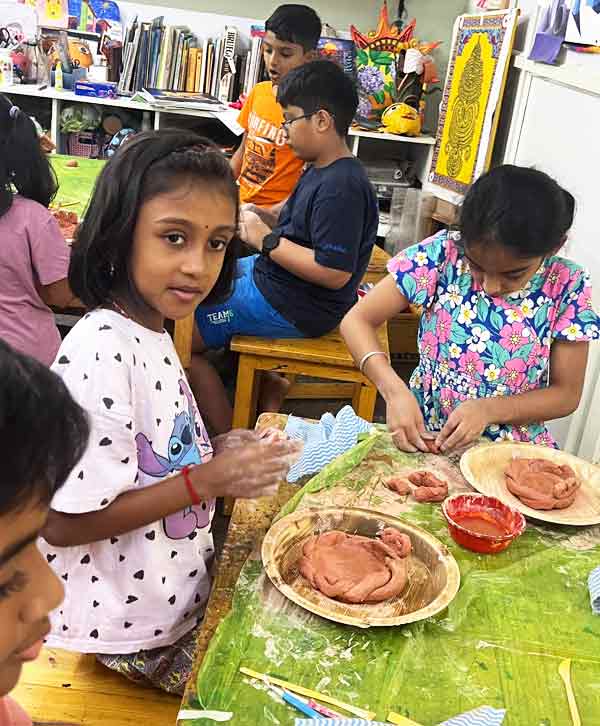
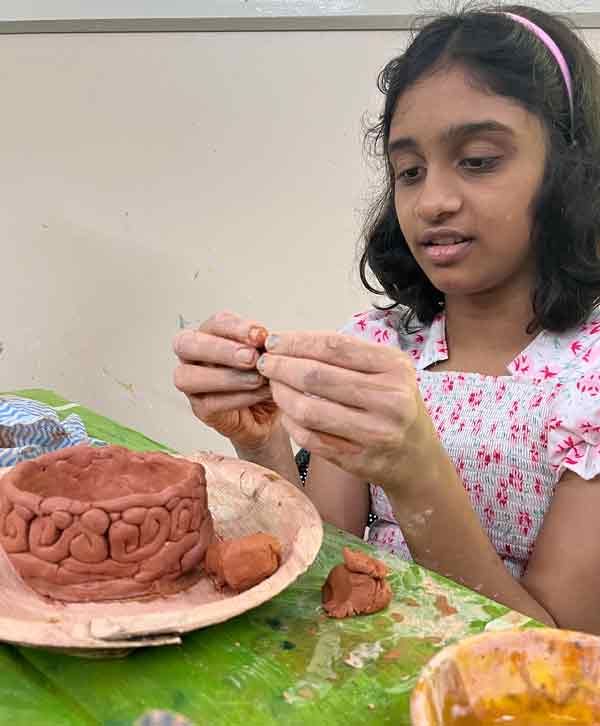
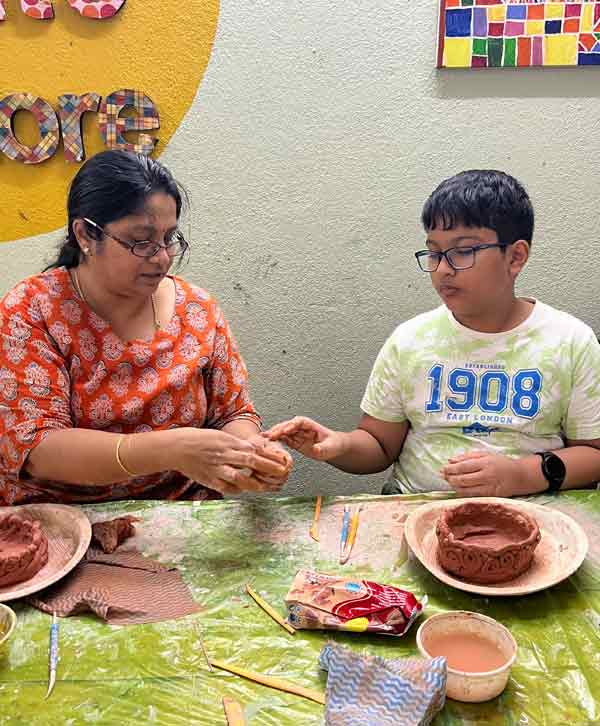
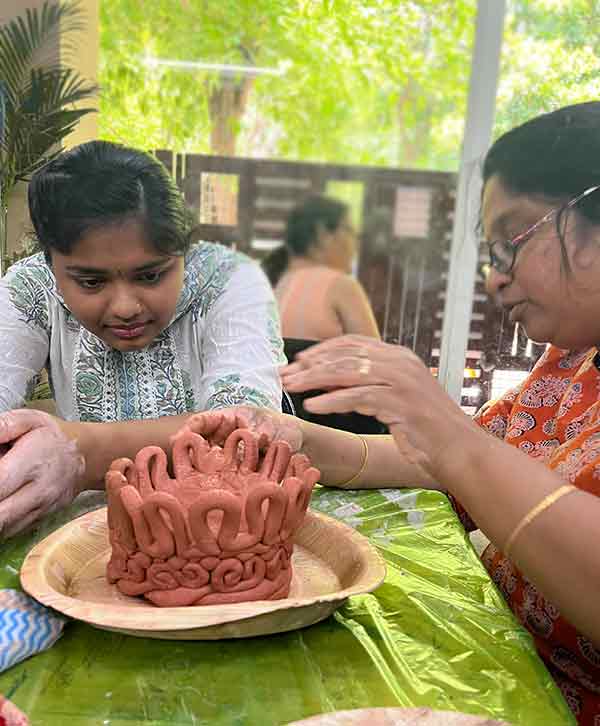
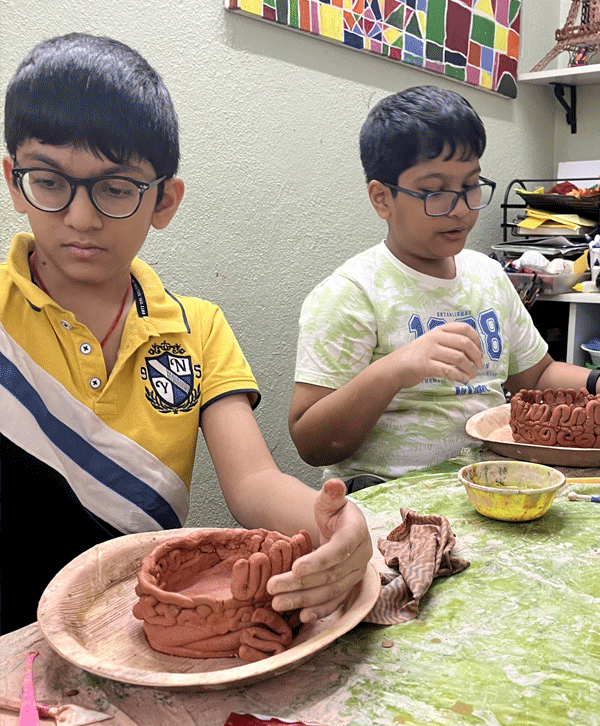
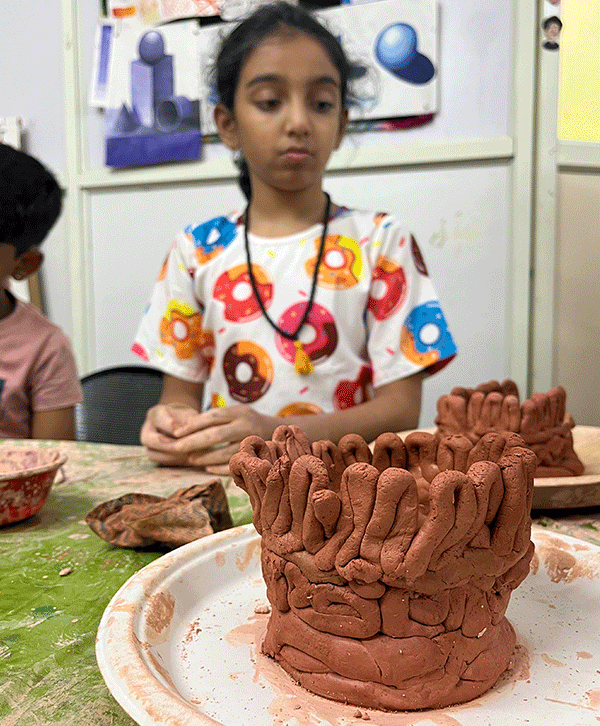
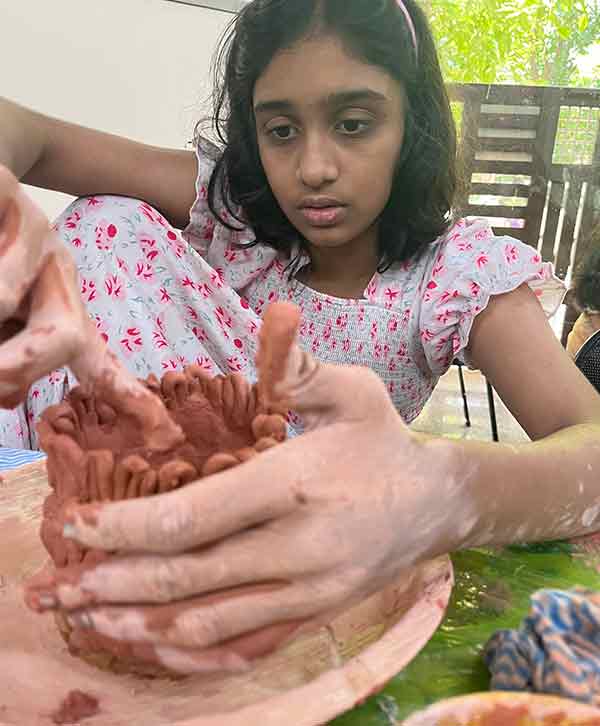
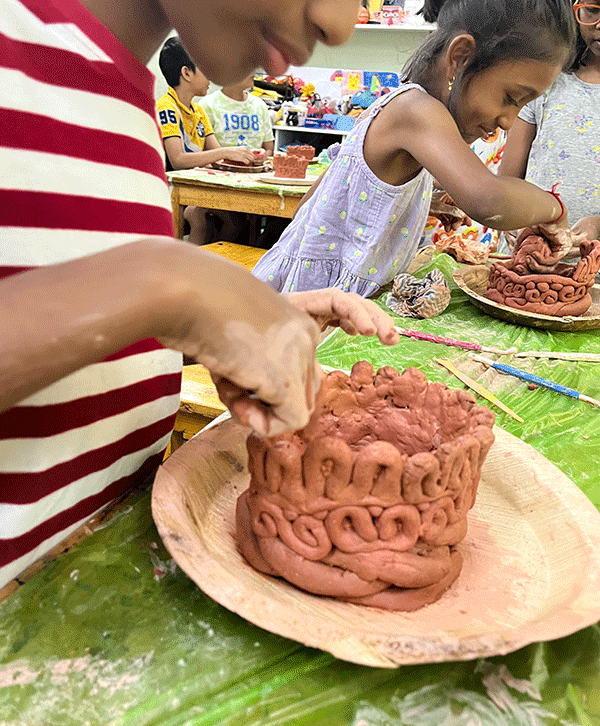
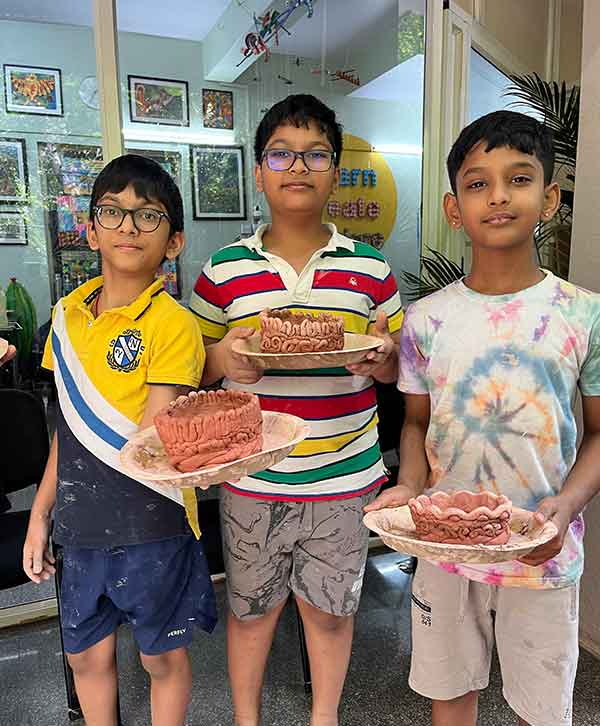
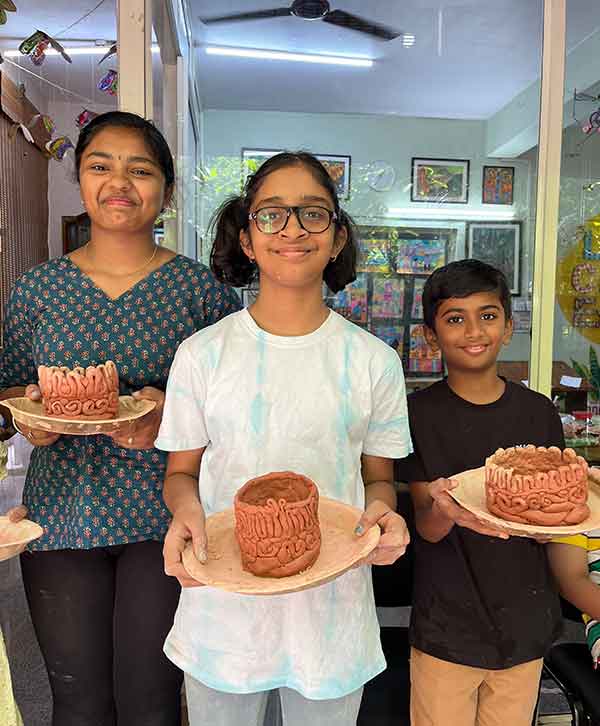
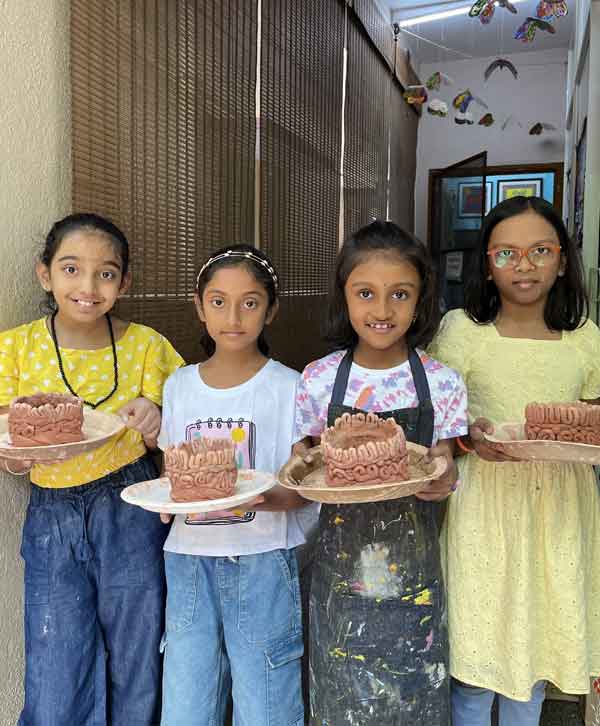
And, as I witnessed the kids in their moment of glory, sliding their clay pots from legs to layers, their raised pots shaped tall and twisty or short and wide, one could not help smiling. They weren’t just modeling clay; they were reminiscing about a civilization that had lived thousands of years before. History was therefore made alive in their hands with this simple clay activity for kids.
Old methods of coiling and braiding do not only teach craft; they encourage curiosity, concentration, and observation for the world around them. I recommend all educators and parents implement such projects in their classrooms or houses. Let clay create such a beginning for storytelling, discoveries, and creativity that lives much longer than the drying of the pot.